2. Drives away deer

Eggshells are a deer repellent, just like they are to insects. Using this tip may help keep deer away from your garden and your plants, which they tend to destroy, if you live in a wooded region where they are frequent visitors.
3. Bird Food

Some creatures find the eggshells repulsive, yet others find them to be a great delight. If you scatter eggshells across your yard, you could see a flock of feathered friends enjoying their favorite snack. Birds adore eggshells. This is a pleasant approach to draw birds, who deter unsightly insects in addition to brightening people’s days with their beautiful appearance and endearing tweets.
4. Improve Soil Health
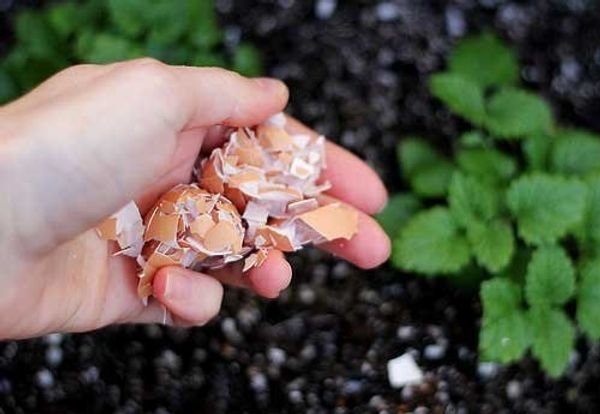
Using eggshell dust or solution as fertilizer is a sustainable way to repurpose materials that would otherwise end up in your local landfill.
Their calcium carbonate content naturally lowers the pH of your soil, which is good for plants that like lower pH conditions. Because of this modification, the soil becomes more alkaline and these plants are better able to absorb nutrients.
5. Eat Healthier Veggies
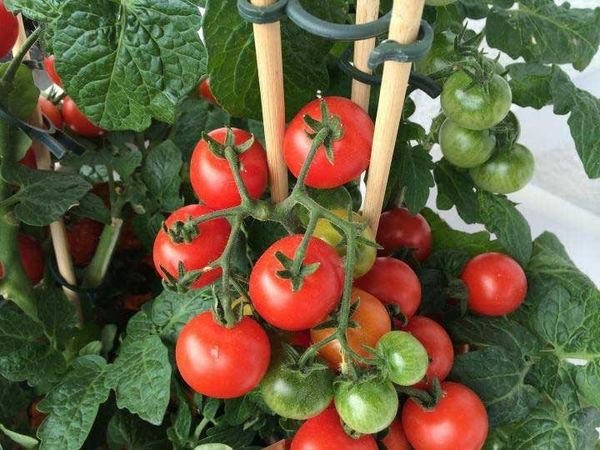
Eggshells contain calcium carbonate, which can help plants that are susceptible to calcium deficiencies—like tomatoes, eggplants, and peppers—by lowering their risk of blossom end rot. Crushed eggshells added to the soil will keep the vegetables colorful, plump, and flavorful.
6. Bring Potted Plants’ pH Up with Pexels
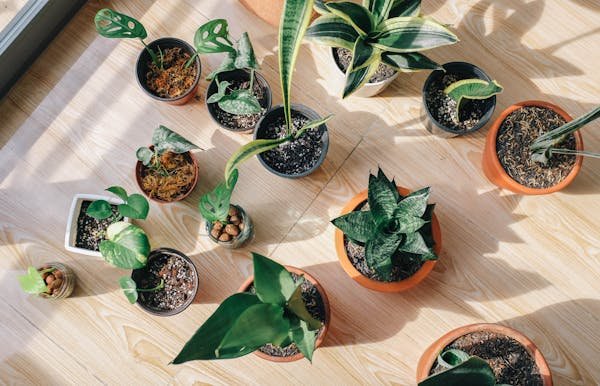
A horticulture expert with the University of Illinois Extension points out that research conducted in greenhouses with plants growing in pots have demonstrated that adding eggshells to the soil can raise its pH. The enormous volume of soil in a backyard garden is very different from the tiny amount of soil in a pot.The typical homeowner is not likely to be able to produce enough eggshells to increase the pH of their soil.
7. Composting Made Simple
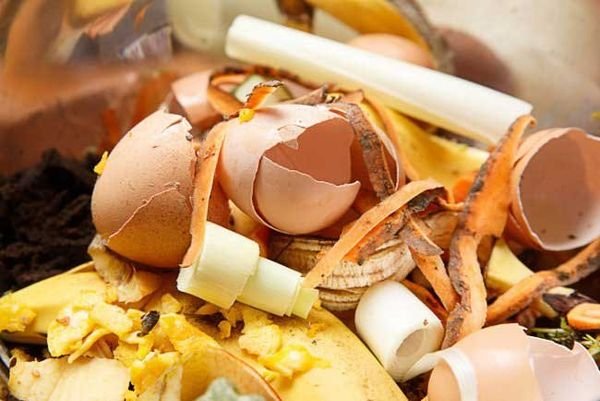
Eggshells and citrus peels break down gradually in a compost pile or container, which makes crushed eggshell material ideal for composting. They add nutrients and minerals to the compost material as they decompose and enhance it.
Rinse the shells well to remove any raw egg residue before composting. The decomposition process is accelerated when they are broken down into smashed shells because smaller fragments decompose faster than whole eggs.
The next time you have eggs, be sure to use the eggshells to add some beauty to your potted plants or yard.