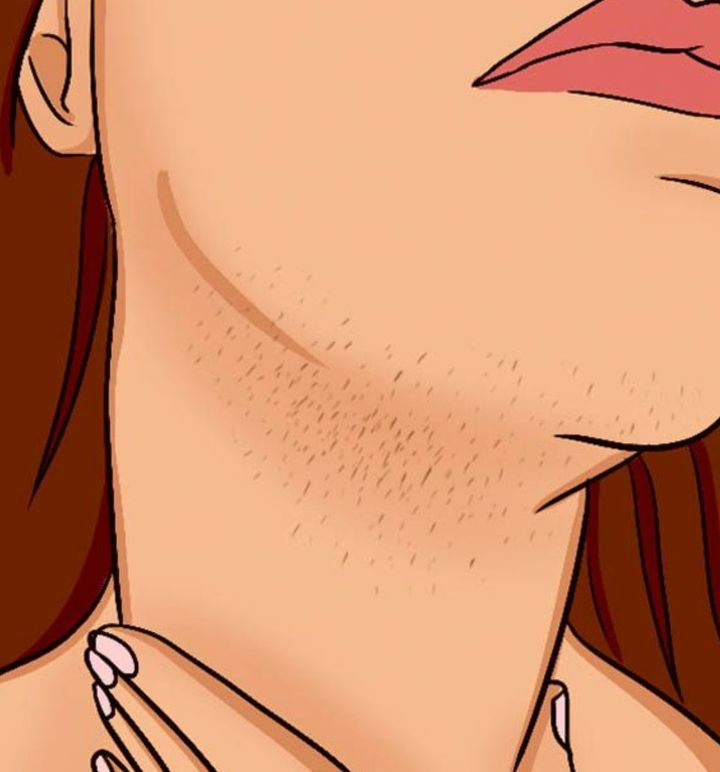
Many women notice unusual facial hair, especially around the chin. If you’re experiencing this, it might seem like a minor nuisance, but it could be telling you something more about your health. This is not just about aesthetic concerns; chin whiskers in women can sometimes signal an underlying health condition called polycystic ovary syndrome (PCOS). Let’s dive into what PCOS is, why it happens, and what you can do about it.
What Is PCOS and Why Should You Care?
Polycystic Ovary Syndrome (PCOS) is a common hormonal disorder affecting women of reproductive age. The exact cause of PCOS is unknown, but it has been linked to a variety of factors such as excess insulin, low-grade inflammation, and heredity. Women with PCOS often produce higher levels of androgens (male hormones), which leads to symptoms like irregular periods, acne, weight gain, and yes—those pesky chin whiskers.
So, if you’ve noticed more facial hair than usual, especially on your chin, this could be a sign that your body is producing more androgens than it should. And while the hair itself might be bothersome, it’s the underlying hormonal imbalance that you really need to pay attention to.
Symptoms of PCOS You Shouldn’t Ignore
The symptoms of PCOS can vary from woman to woman, but there are a few common indicators that often appear. If you experience any combination of these, it might be worth checking with your doctor:
1. Irregular Periods
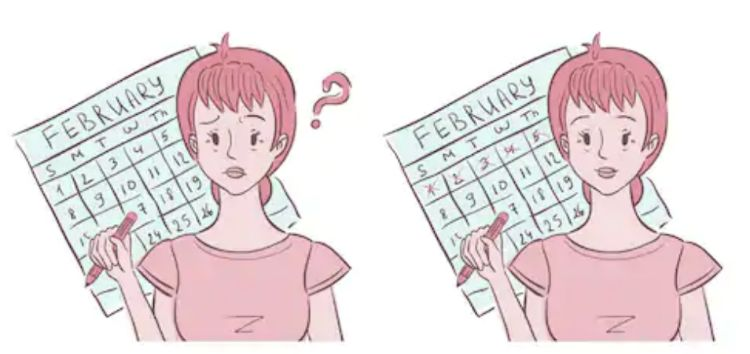
This is the most common symptom of PCOS. If your menstrual cycle is longer than 35 days, you have fewer than eight periods a year, or you’ve gone four months without menstruating, this is a red flag. Hormonal imbalances caused by PCOS can lead to skipped periods or prolonged menstrual cycles.
2. Excess Facial and Body Hair
Hair growth on the chin, chest, back, and even toes is a common symptom. This condition is called hirsutism, and it’s caused by elevated levels of androgens. If you notice coarse, dark hair in these areas, it could be more than just a cosmetic issue.
3. Acne and Oily Skin
Hormonal imbalances can also cause your skin to produce excess oil, leading to acne. The acne caused by PCOS tends to be deeper and more painful than regular pimples, and it often appears on the face, chest, and back.
4. Weight Gain and Difficulty Losing Weight
Many women with PCOS struggle with weight gain, particularly around the abdomen. This is due to the hormonal imbalances and insulin resistance that are common in PCOS patients. If you find it difficult to lose weight despite diet and exercise, PCOS could be a factor.
CONTINUE READING…
Author: awestories24.com