5. Mood Swings and Depression

PCOS can take a toll on your mental health as well. Mood swings, irritability, and even depression are common among women with this condition. If you feel like your emotions are out of control, or you’re experiencing prolonged periods of sadness, PCOS might be the culprit.
6. Insulin Resistance
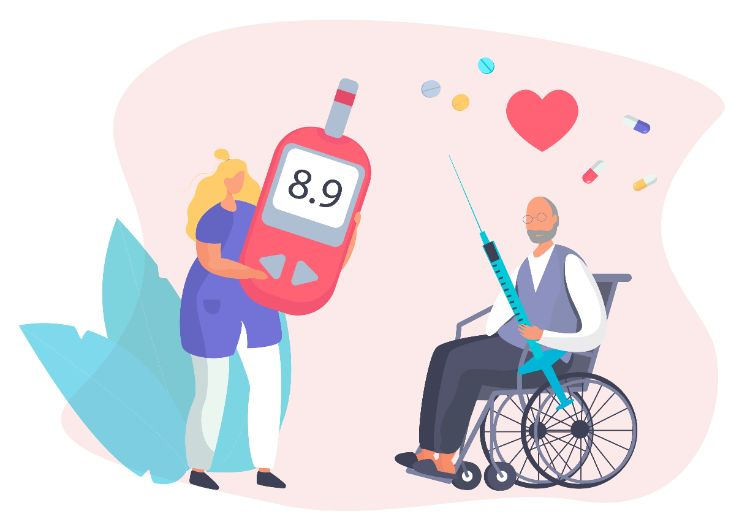
Insulin resistance is a major factor in PCOS. Women with PCOS often have higher levels of insulin, which can lead to weight gain, difficulty losing weight, and even type 2 diabetes. This insulin imbalance is also responsible for the excess production of androgens, which worsens the other symptoms of PCOS.
Why Does PCOS Happen?
The exact cause of PCOS is still a bit of a mystery, but doctors have identified several contributing factors. Here are some of the leading theories:
Excess Insulin
Insulin is a hormone that helps your cells convert sugar into energy. However, when your body becomes resistant to insulin, your pancreas produces even more of it. High insulin levels can increase androgen production, leading to symptoms like excess facial hair and irregular periods.
Low-Grade Inflammation
Women with PCOS often have low-grade inflammation, which is believed to stimulate the ovaries to produce more androgens. This inflammation also contributes to insulin resistance, creating a vicious cycle that can worsen PCOS symptoms.
Heredity
If your mother or sister has PCOS, you’re more likely to develop it as well. While heredity doesn’t guarantee you’ll get PCOS, it’s an important risk factor to be aware of.
Diagnosing PCOS: Don’t Wait
If you’re experiencing any of these symptoms, it’s essential to see a healthcare professional. Diagnosing PCOS early can prevent long-term complications such as type 2 diabetes, heart disease, and infertility. Doctors usually diagnose PCOS based on your symptoms, blood tests to check hormone levels, and sometimes an ultrasound to look for cysts on the ovaries.
How to Manage PCOS: Treatment Options
The good news is that PCOS can be managed. While there’s no cure, several treatments can help manage the symptoms and reduce the risk of complications.
Lifestyle Changes
For many women, the first line of defense is making changes to their diet and exercise routines. Losing even a small amount of weight can help reduce insulin resistance, regulate your periods, and lower androgen levels. Focus on a balanced diet rich in whole grains, lean proteins, and healthy fats.
Medications
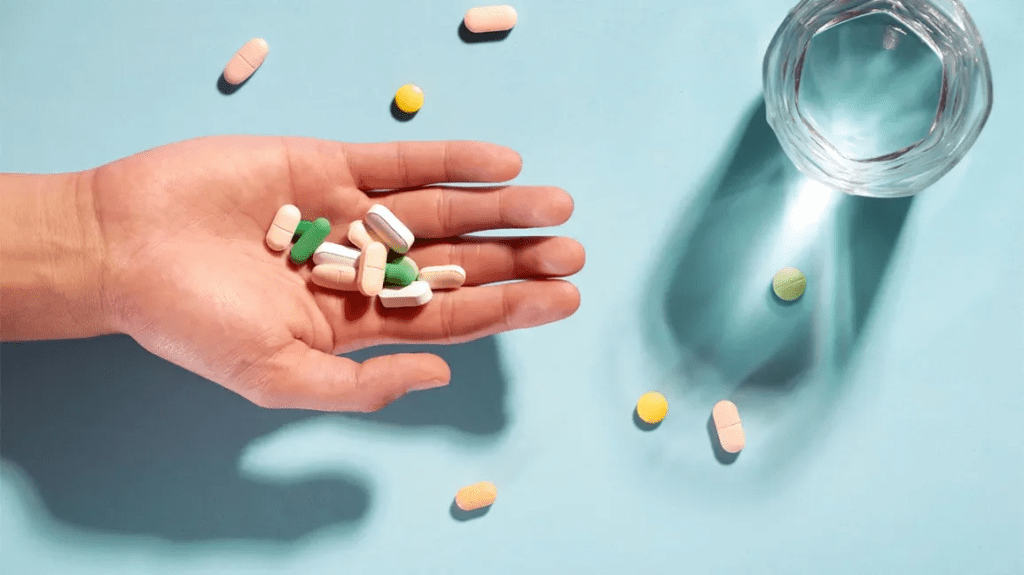
Depending on your symptoms, your doctor might prescribe medications like birth control pills to regulate your hormones. Birth control can help control irregular periods, reduce acne, and minimize excess hair growth. In some cases, medications that help control insulin levels, like Metformin, might also be prescribed.
Hair Removal Options
If facial hair is a significant concern for you, there are various hair removal options available. These include traditional methods like waxing and shaving, as well as more permanent solutions like laser hair removal or electrolysis. While these treatments won’t cure PCOS, they can help manage one of the most visible symptoms.
Conclusion: Pay Attention to What Your Body Is Telling You
If you’re noticing unwanted chin whiskers or other signs of PCOS, don’t brush them off as insignificant. These symptoms could be your body’s way of alerting you to a more serious hormonal imbalance. PCOS is a manageable condition, but early diagnosis and treatment are key to preventing more severe health problems down the road. So, if any of these symptoms sound familiar, it’s time to take control and consult with a healthcare professional. Your future self will thank you!