Cleaning your mattress probably isn’t high on your list of regular chores—but it should be. Over time, mattresses can collect dust, sweat, dead skin cells, and even dust mites, all of which can lead to unpleasant odors and potential health issues. Fortunately, there’s a simple, inexpensive way to freshen things up using something you already have in your kitchen: baking soda.
This humble household ingredient is a natural deodorizer and cleaner that can refresh your mattress without harsh chemicals. Here’s why this trick works and how you can do it yourself for a cleaner, healthier bed.
The Science Behind Baking Soda’s Cleaning Power
Baking soda, also known as sodium bicarbonate, is a mild alkaline compound with powerful cleaning properties. Its tiny crystalline particles make it slightly abrasive, which helps lift dirt and grime from surfaces. More importantly, baking soda neutralizes odors by balancing pH levels, making it ideal for removing musty smells.
When sprinkled on a mattress, it absorbs excess moisture, sweat, and unwanted odors—leaving behind a fresh, neutral scent. Because it’s non-toxic and gentle, it’s also safe to use around children and pets.
What You’ll Need
To clean your mattress with baking soda, you’ll only need a few simple items:
- 1 box of baking soda
- A sifter or fine mesh strainer
- A vacuum cleaner with an upholstery attachment
- (Optional) Essential oils for fragrance
- (Optional) A spray bottle with water and mild detergent for spot cleaning
Step-by-Step Guide: How to Clean a Mattress with Baking Soda
1. Prepare the Mattress
Start by stripping off all bedding—sheets, pillowcases, and mattress protectors—and wash them in hot water to kill bacteria and dust mites.
Inspect the mattress for stains or spills. If you find any, lightly spray the area with a mix of water and mild detergent, then gently blot with a clean cloth. Allow the surface to dry before moving on.
2. Apply Baking Soda
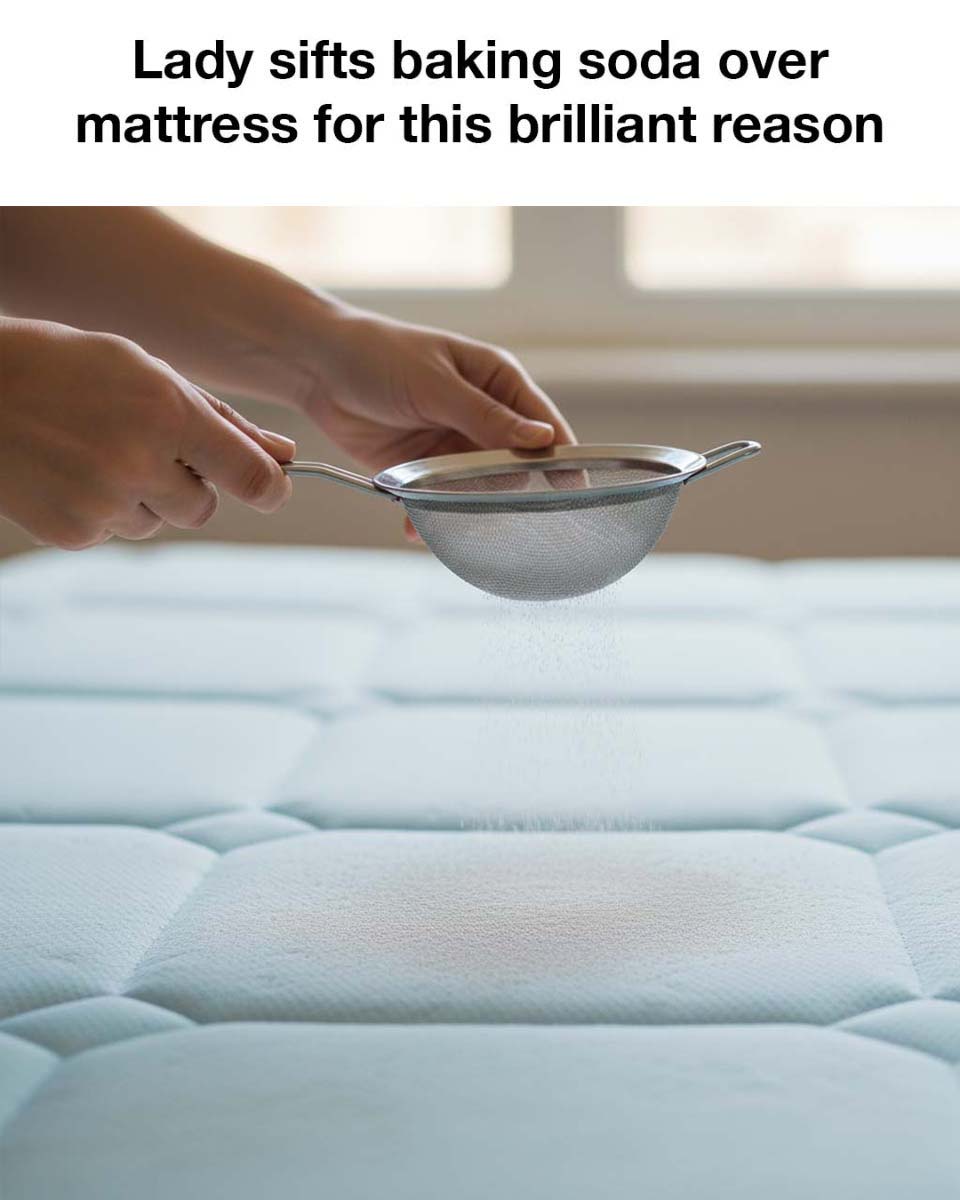
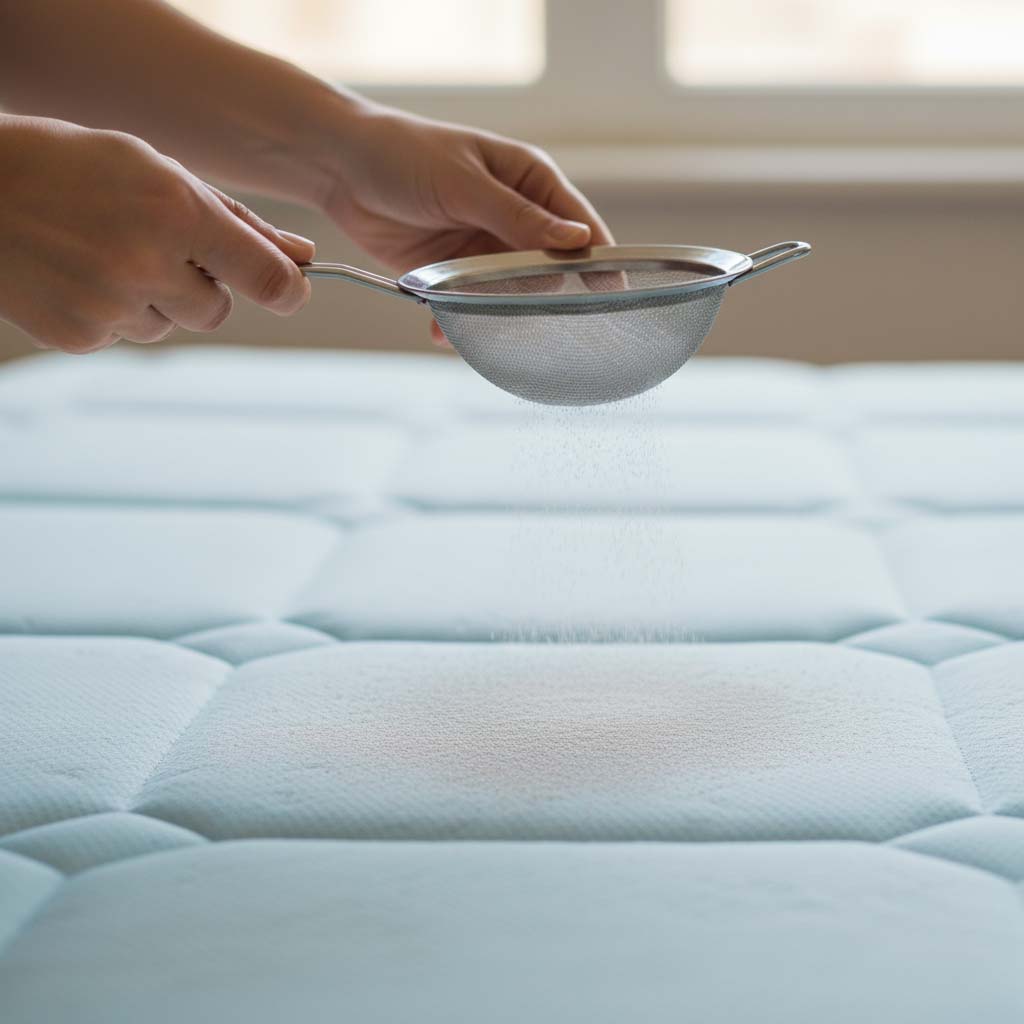
Once your mattress is prepped and dry, fill a sifter or fine mesh strainer with baking soda. Evenly sprinkle it across the entire surface, paying special attention to areas that may hold more odor (like the middle or head area).
For an extra touch of freshness, you can mix in a few drops of essential oil—lavender, eucalyptus, or tea tree oil works beautifully.
3. Let It Sit
Allow the baking soda to rest on the mattress for at least 15 minutes—but for best results, leave it for a few hours or even overnight. The longer it sits, the more moisture and odor it can absorb.
4. Vacuum Thoroughly
After the waiting period, use your vacuum’s upholstery attachment to remove all the baking soda. Go over the surface slowly and methodically, including the sides of the mattress. This ensures no residue is left behind that could feel gritty under your sheets.
Extra Tips for a Fresher Mattress
- Use a mattress protector: It’s one of the easiest ways to prevent stains and odors.
- Vacuum regularly: A quick monthly vacuuming can keep dust and allergens under control.
- Air it out: If possible, let your mattress air out near an open window every few months.
- Rotate or flip it: Turning your mattress every three to six months helps it wear evenly and last longer.
The Bottom Line: A Healthier, Fresher Bed
Cleaning your mattress with baking soda is one of the simplest and most effective ways to keep your sleeping environment fresh and hygienic. This quick, budget-friendly method eliminates odors, absorbs moisture, and helps extend the life of your mattress.
With just a bit of baking soda and a few minutes of effort, you can enjoy a cleaner, fresher bed—and a better night’s sleep.