Itchy ears can be quite bothersome. Whether it’s a mild annoyance or an unbearable itch, it often leaves you wondering, Why is this happening? The truth is, many things could be causing the inside of your ear to itch, and addressing the root cause is essential for effective treatment. So, let’s dive deep into what might be causing your itchy ears and how to treat them.
What Causes Itchy Ears?
Itchy ears can be a sign of something simple or a symptom of an underlying issue. From environmental factors to personal habits, a variety of things can trigger this sensation.
1. Earwax Buildup: A Common Culprit
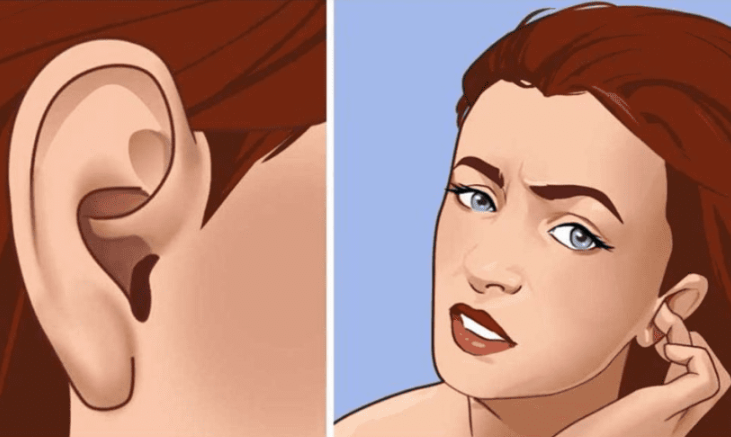
Earwax, also known as cerumen, is your ear’s natural defense mechanism. It traps dust, debris, and other foreign particles, protecting your ear canal. However, when earwax builds up too much, it can cause an itch. Some people produce more wax than others, and improper cleaning methods, such as using cotton swabs, can push wax deeper into the canal, leading to irritation.
How to Treat Earwax Buildup:
- Use ear drops: Over-the-counter ear drops can help soften the wax, allowing it to come out naturally.
- Consult a professional: If earwax buildup is severe, a doctor can remove it safely.
2. Dry Skin: A Persistent Itch
Just like any other part of your body, the skin inside your ear can become dry. This could be due to environmental factors, like living in a dry climate, or skin conditions such as eczema or psoriasis. Dry skin can lead to flaking and irritation, which often causes a nagging itch.
How to Soothe Dry Skin in Ears:
- Moisturize with oils: Olive oil, coconut oil, or over-the-counter moisturizing ear drops can hydrate the skin inside your ear.
- Use humidifiers: If dry air is the problem, using a humidifier in your home can help maintain moisture levels and prevent dry skin.
3. Infections: Bacteria and Fungus Can Cause Itching
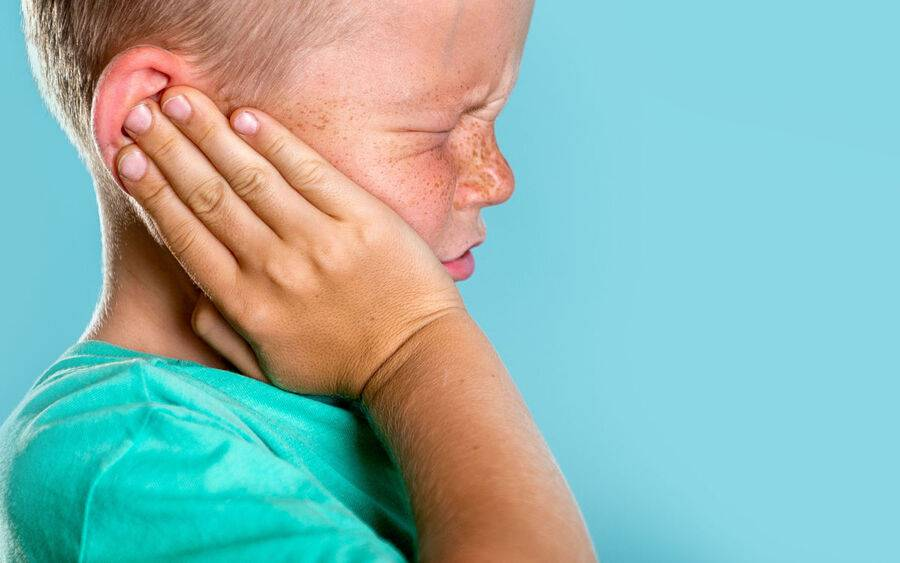
Infections in the ear, whether bacterial or fungal, can lead to intense itching. Otitis externa, commonly known as swimmer’s ear, is a prime example. This condition occurs when water gets trapped in the ear canal, creating a moist environment where bacteria thrive. Fungal infections, although less common, can also cause itching in the ear.
How to Address Ear Infections:
- See a doctor: If the itching is accompanied by pain, swelling, or discharge, it’s likely an infection. Your doctor may prescribe antibiotics or antifungal medications.
- Dry your ears properly: Always dry your ears thoroughly after swimming or bathing to prevent infections from developing.
4. Allergic Reactions: Uncommon, but Possible
Sometimes, itchy ears are a result of an allergic reaction. Whether it’s a reaction to earrings, hearing aids, or even hair products, the skin inside the ear can become irritated and itchy when exposed to allergens.
How to Treat Allergic Reactions in Ears:
- Avoid triggers: Identify what’s causing the reaction and eliminate it.
- Use antihistamines: Over-the-counter antihistamine creams or tablets may help reduce itching caused by an allergic reaction.
CONTINUE READING…
Author: awestories24.com